
 Français
What Are the Best Sunglasses for Pilots?
In aviation, managing brightness is a key factor in both flight safety and visual comfort. Whether flying commercial airliners, general aviation aircraft, ultralights, helicopters, or training aircraft, the cockpit exposes the eyes to significantly higher light intensity than on the ground.
At higher altitudes, UV radiation increases considerably. Windshield glare, cloud reflection, lateral sunlight, and digital cockpit displays all require precise and stable vision. Choosing the best sunglasses for pilots therefore becomes a technical decision rather than a stylistic one.
Aviation sunglasses must meet several essential criteria:
- 100% UV protection at altitude
- Compatibility with cockpit instruments and digital displays (glass cockpit, LCD)
- Lens tint suited for accurate reading of flight data
- Long-lasting comfort under an aviation headset or helmet
- Effective glare reduction without color distortion
Whether you are an airline pilot, private pilot (PPL), ultralight pilot, helicopter pilot, or an aviation enthusiast, this complete guide will help you understand which lenses, tints, and frames to prioritize to optimize your vision in flight. ✈️

Which Lenses Should You Choose for Flying an Aircraft?
In aviation, lens selection is critical. The priority is to achieve clear, stable, and comfortable vision without compromising instrument readability.
A neutral gray tint is generally the most recommended option for pilots. It effectively reduces brightness while preserving natural color perception, allowing precise reading of cockpit displays and instruments (glass cockpit, LCD screens). At higher altitudes, where UV exposure is more intense, Category 3 lenses with 100% UV protection are well suited for airline operations, general aviation, ultralights, and helicopters.
Polarized lenses can be effective at reducing certain types of glare, but they are sometimes avoided in the cockpit because they may interfere with digital displays.
The lens material also plays a key role. Mineral glass lenses (true glass) provide superior optical clarity, minimal distortion, and excellent scratch resistance. In demanding environments such as aircraft cockpits, this level of visual precision is particularly valued during long flights.
Which Frame Should You Choose for Flying?
In aviation, the frame must be just as technical as the lenses. In the cockpit, comfort and stability are essential—especially during long-duration flights.
Thin temples are strongly recommended to ensure compatibility with an aviation headset or helmet. Thicker temples can create pressure points and become uncomfortable after several hours of wear.
The frame should also be lightweight and properly fitted to remain stable despite vibrations (general aviation, ultralights, helicopters) and cockpit movement.
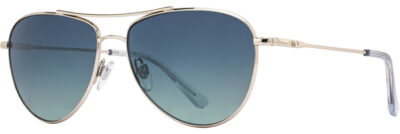
Finally, the Aviator shape remains a reference standard in aviation. It provides a wide field of vision, effectively shields against lateral light, and offers good lower coverage for instrument reading. This design is not merely aesthetic—it is historically linked to the functional needs of pilots.
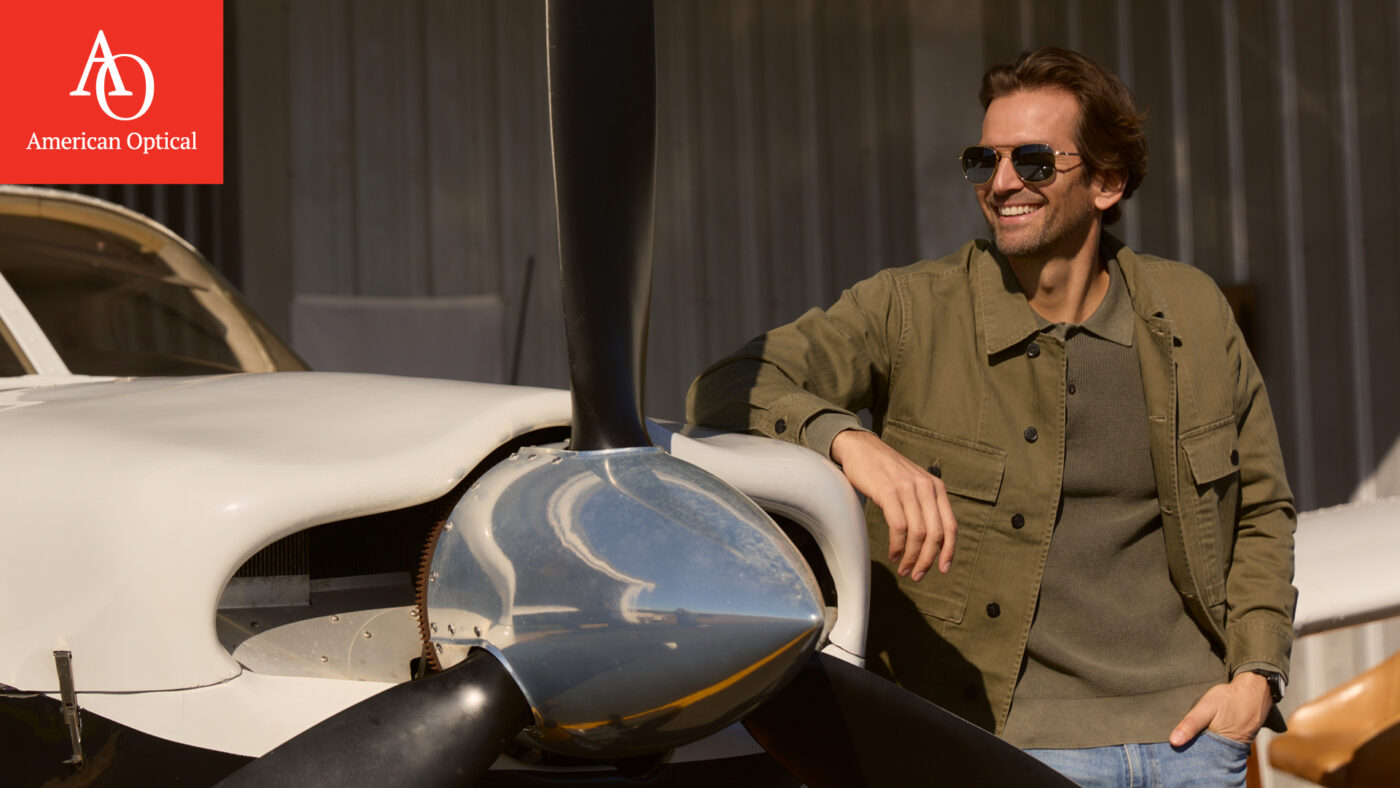
American Optical: A Historic Reference in Pilot Sunglasses
When discussing sunglasses for airplane pilots, some brands draw inspiration from aviation.
Others are genuinely part of its history.
American Optical is one of the historic pioneers of aviation eyewear. The brand developed aviator-style models long before the shape became a fashion icon. Learn more about American Optical and the history of aviator sunglasses.
The Aviator shape is therefore not merely a style choice—it was born from a functional need: to protect pilots in flight.
Original Pilot: The Model Designed for Pilots
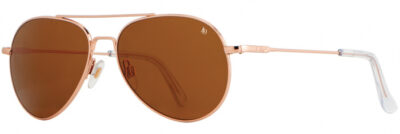
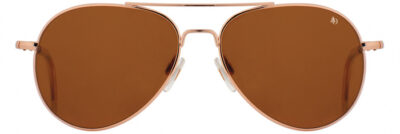
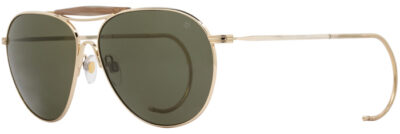
Introduced in 1958, the Original Pilot is the emblematic model of American Optical. Developed for U.S. military pilots, it was engineered to meet real cockpit constraints: visual precision, helmet compatibility, and performance in intense light conditions.
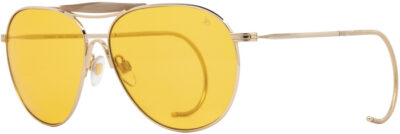
One of its defining features is its bayonet temples (straight temples). Unlike traditional curved temples, bayonet temples allow smooth wear under an aviation helmet or headset without pressure behind the ear, and they enable the glasses to be put on or removed easily with one hand. This technical detail is essential in flight and clearly distinguishes a true aviation sunglass from a standard fashion aviator.
The Original Pilot is also equipped with mineral glass lenses in True Color Gray™, a neutral gray tint designed to preserve natural color perception. In the cockpit, this neutrality is crucial: it allows fast target acquisition, precise instrument readability, and the absence of chromatic distortion—even at high altitude. Combined with 100% UV protection, this lens technology delivers stable, comfortable vision over extended flight durations.
More than an iconic style, the Original Pilot remains fully aligned with the demands of modern aviation. For airline pilots, private pilots, ultralight pilots, or helicopter pilots, it is a sunglass engineered for flight—not merely inspired by aviation.
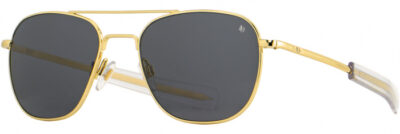
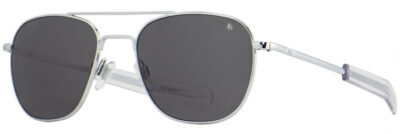

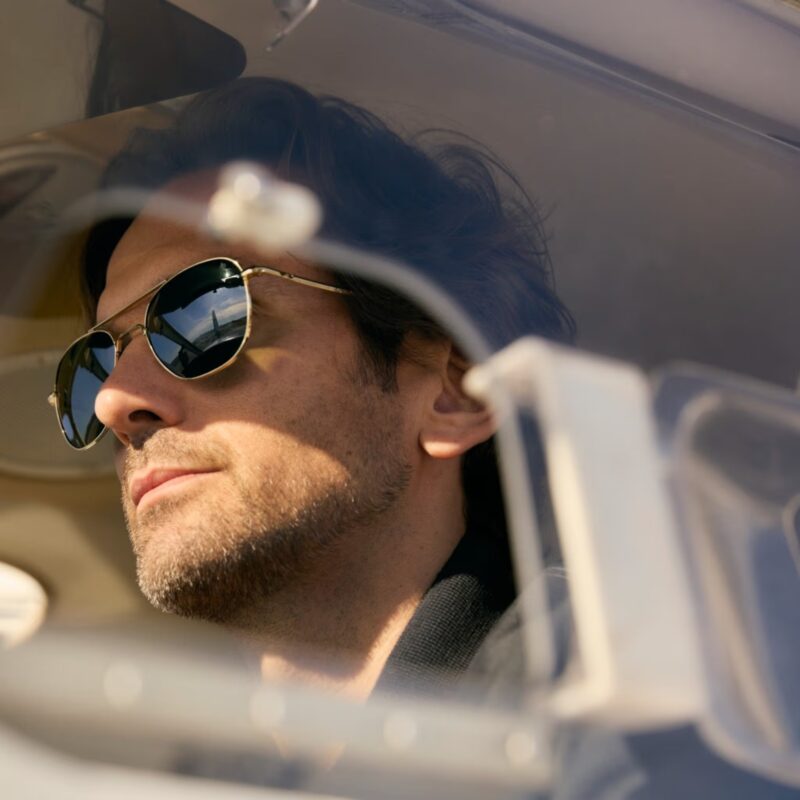
Other Aviator Models in the Spirit of Aviation
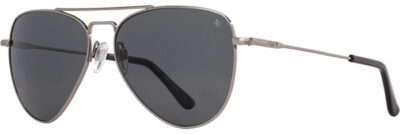
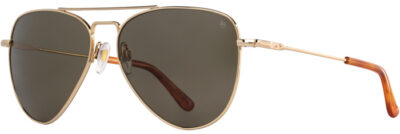
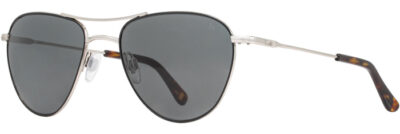
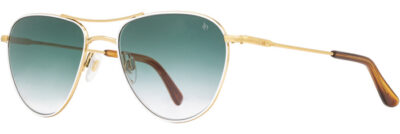
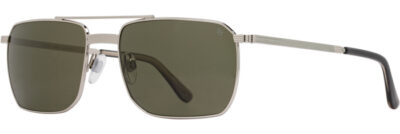
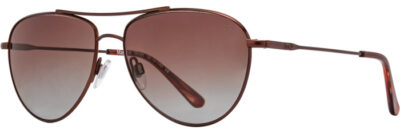
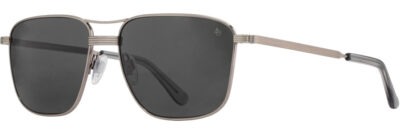
While the Original Pilot remains the emblematic model for pilots, American Optical also offers other Aviator-style sunglasses designed with the same commitment to precision and quality.
The collection includes different sizes, finishes, and adjustments, allowing:
-
Options suited to masculine facial proportions
-
Models perfectly proportioned for women pilots
-
Variations in frames and colorways while preserving the aviation DNA
All of these models share the fundamentals that define the brand’s reputation: optical clarity, high-quality craftsmanship, long-lasting comfort, and timeless design.
Whether you choose the historic Original Pilot or an Aviator interpretation tailored to your personal style, the essential principle remains the same: eyewear engineered for visual performance and durability.