
 Français
90 Years of Aviator Sunglasses: From Military Innovation to Timeless Style
It all began with a problem. In the early 1930s, military pilots flying at high altitudes faced more than enemy aircraft—they also battled the blinding glare of the sun. To address this, American Optical introduced the Aviator D-1 in 1935—the very first sunglasses designed specifically for pilots. With their large teardrop-shaped lenses, lightweight wire-frame construction, and superior anti-glare protection, the D-1 became an essential piece of military equipment, laying the foundation for what would become the iconic Aviator style.
The D-1: The First Aviator Sunglasses
The Aviator D-1 marked a major breakthrough, both in military optical equipment and in sunglass design. Developed by American Optical in collaboration with the U.S. military, the D-1 featured teardrop-shaped lenses designed to provide maximum coverage and reduce peripheral glare. Their green-tinted lenses enhanced contrast and reduced eye fatigue, giving pilots clearer vision in intense light and at high altitudes.
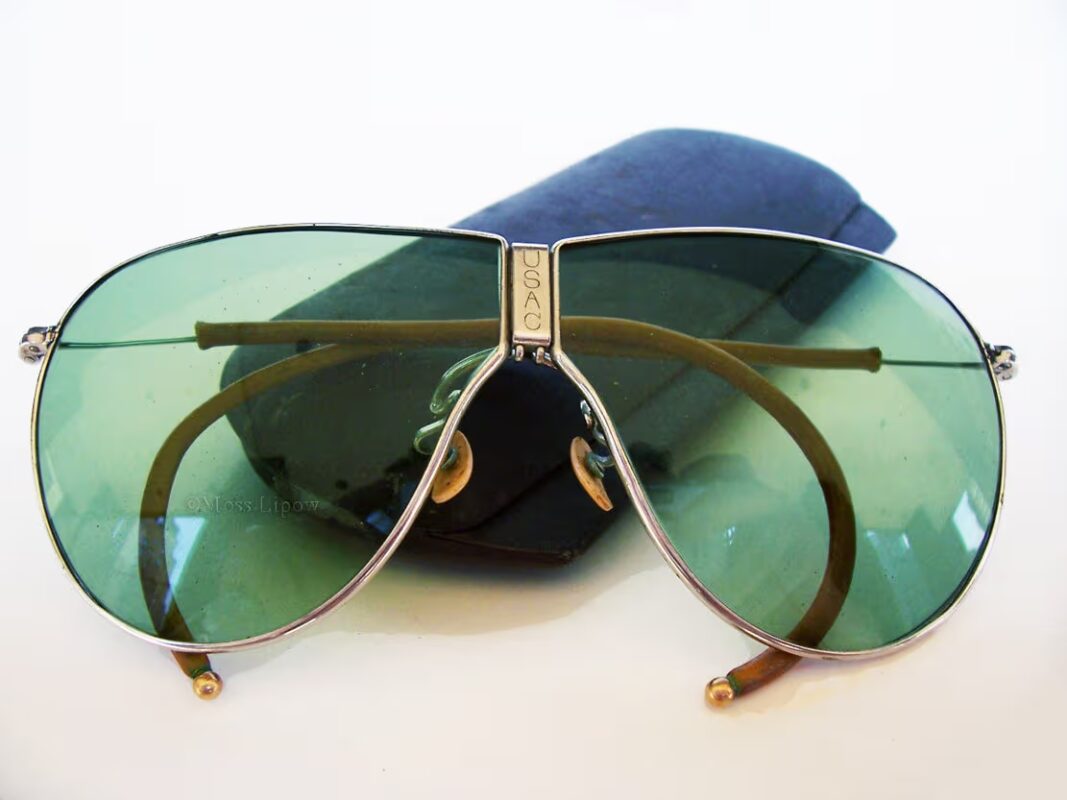
What Made the Original Aviator D-1 Revolutionary :
- Teardrop-shaped lenses designed for maximum coverage and optimal glare reduction
- Green-tinted lenses that enhanced contrast in high-altitude conditions
- A lightweight metal frame engineered for comfort with military equipment
- A functional design that would influence optical eyewear for decades
The lightweight metal frame offered excellent durability without adding unnecessary weight—an essential criterion for pilots wearing helmets and oxygen masks. With its blend of functionality and elegance, the D-1 became a staple for military pilots and laid the foundations for the modern Aviator silhouette we know today.
The AN6531: Refining Military Eyewear
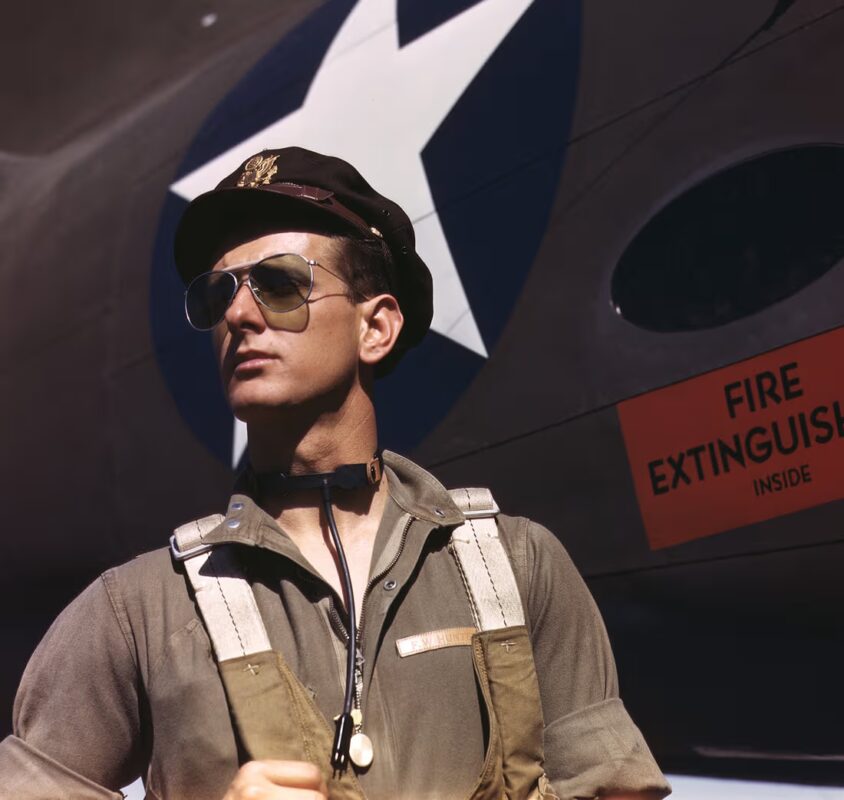
As aviation advanced, so did the need for improved optical equipment. During World War II, the U.S. military introduced the AN6531 military sunglasses—an enhanced version of the Aviator—worn by pilots of both the Army Air Corps and the Navy. These military-issued glasses featured green-tinted lenses designed to reduce glare and enhance contrast, helping pilots operate under intense light conditions.
American Optical was one of the primary suppliers of the AN6531, which became standard-issue equipment for military pilots. In doing so, they firmly established the Aviator silhouette as a symbol of courage, precision, and a spirit of adventure.
From the AN6531 to the Aviator Flight Goggle 58
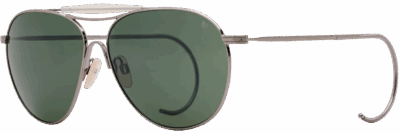
By the late 1950s, the AN6531 evolved into the Flight Goggle 58 (FG-58), incorporating improved lens technology and an even more robust frame.
Key innovations of the Aviator Flight Goggle 58:
- A more rectangular lens shape, designed to be compatible with flight helmets
- Bayonet” temples, specifically engineered to slide comfortably under military helmets
- A streamlined design compatible with oxygen masks
- Enhanced durability to meet the extreme demands of aviation
The FG-58 frame introduced a more rectangular lens shape, allowing the helmet visor to clear the pilot’s glasses efficiently while ensuring full field-of-vision coverage. The model also featured bayonet temples, designed for optimal comfort under flight helmets or other headgear, as well as a streamlined profile that facilitated use with an oxygen mask.
Thanks to this set of innovations, the FG-58—now known as the Original Pilot—became the ultimate reference for U.S. military pilots and NASA astronauts alike.

AO’s Giant Leap: the First Glasses on the Moon
In 1969, Aviator sunglasses once again entered history—this time far beyond Earth. As part of the Apollo 11 mission, American Optical supplied NASA with the Original Pilot (FG-58). Designed to protect the eyes against the extreme intensity of light in space, these military-grade Aviator sunglasses became the first sunglasses to land on the Moon, carried by Neil Armstrong and Buzz Aldrin during their historic steps on the lunar surface.
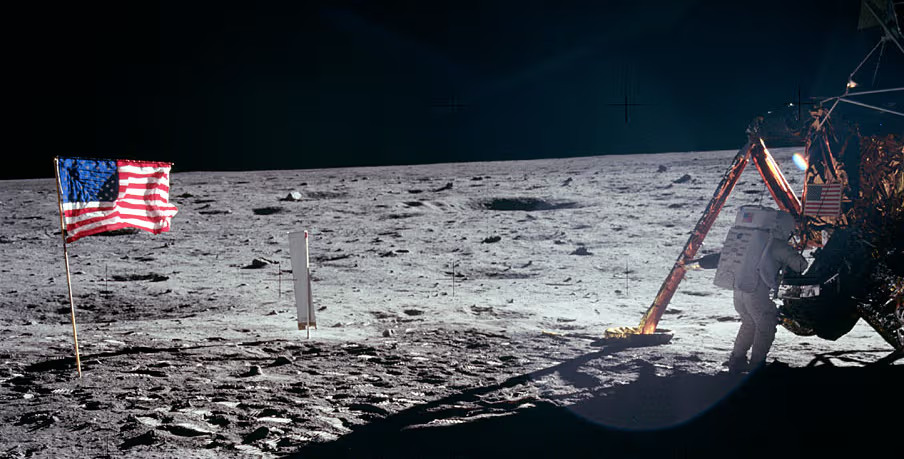
Photo : NASA
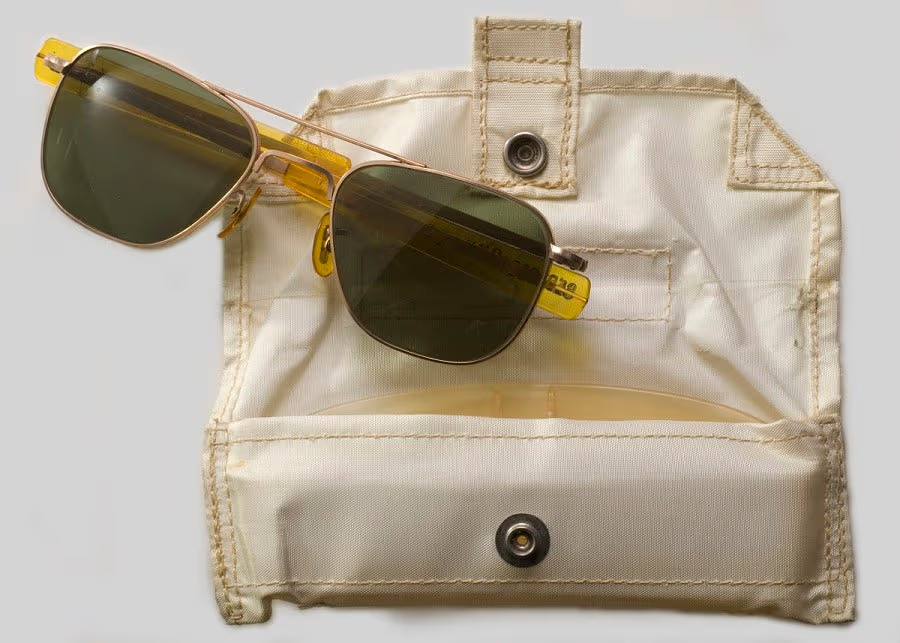
Discover the historic pair worn by Michael Collins, now preserved at the Smithsonian National Air and Space Museum in Washington, D.C.
The American Optical Aviator sunglasses present during the Moon landing have become a timeless symbol of pioneering spirit and technological innovation—an enduring legacy that continues to define American Optical today.
Aviator Sunglasses Today: When Legend Meets Style
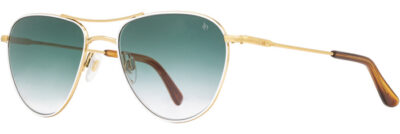
Nearly 90 years later, Aviator sunglasses remain a cornerstone of timeless style. While their shapes and performance have evolved over the decades, their bold spirit and adventurous DNA remain intact. American Optical’s modern Aviator collection pays tribute to this heritage, offering models that blend historic craftsmanship with a contemporary edge.
Discover American Optical’s Aviator models:
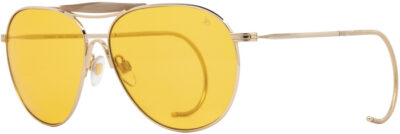
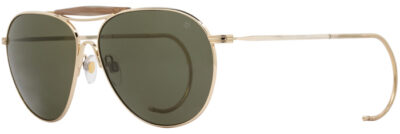
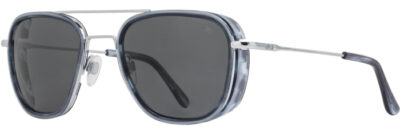
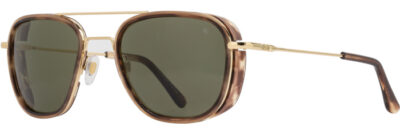
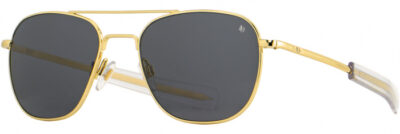
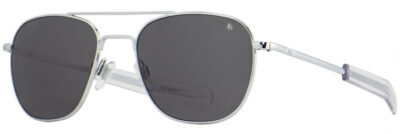
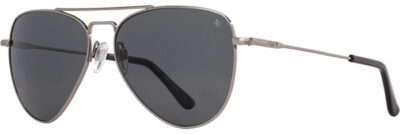
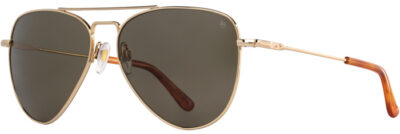
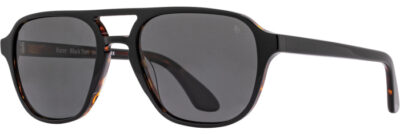
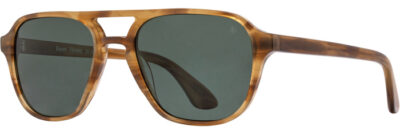
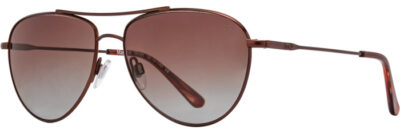
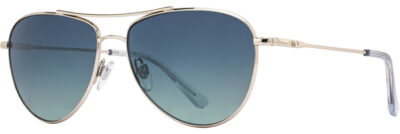
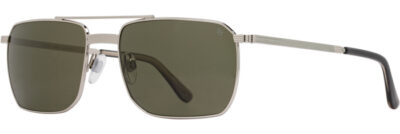

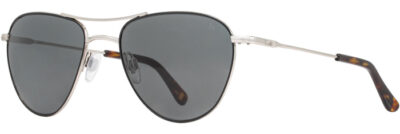
For 90 years, American Optical Aviator sunglasses have embodied adventure, a rebellious spirit, and style. From their purely functional beginnings with the military D-1 and AN6531 models to their celestial odyssey during the Apollo 11 mission, they have transcended their utilitarian purpose to become a true cultural icon.
Today, American Optical carries this legacy forward. Whether you’re seeking new horizons or embracing adventure in everyday life, AO Aviator sunglasses offer you the chance to wear a piece of History — with undeniably irresistible style.