
 Français
The Origins of Aviator Sunglasses
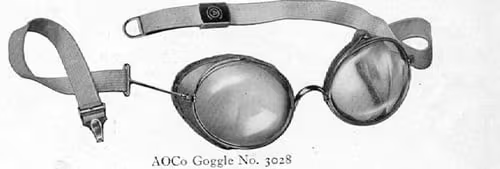
American Optical began manufacturing eyewear designed for new modes of transportation as early as 1907—these were the very first driving glasses. With the arrival of the first automobiles, drivers needed protection not only from sun glare but also from debris. These glasses are the ancestors of the aviator style.
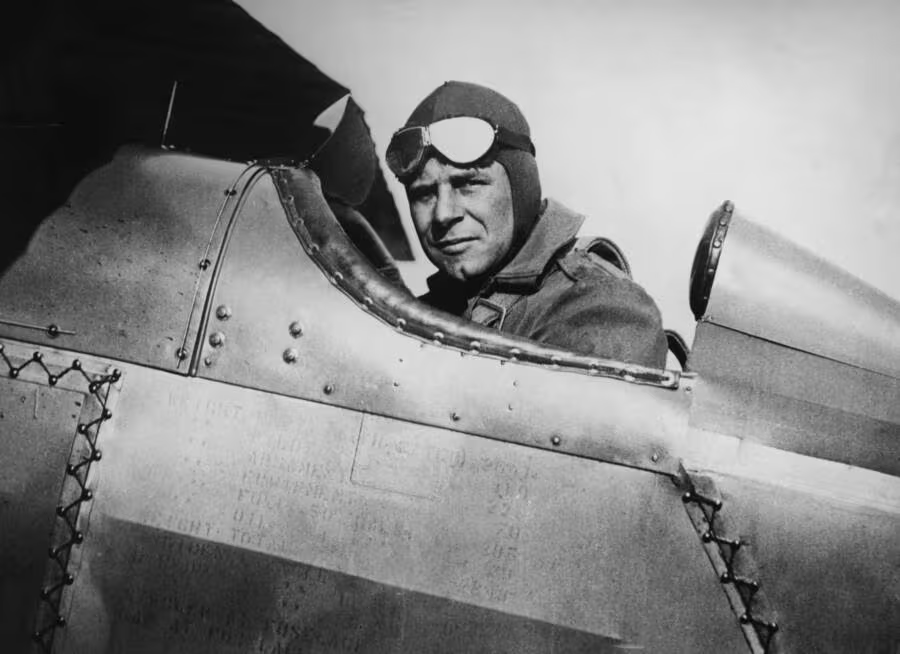
Later on, eye protection became essential for aviators. American Optical began developing flight goggles based on the driving glasses it had previously designed. Aviation legend Jimmy Doolittle wore these goggles during his record-breaking transcontinental flight in 1930.
Photo : Jimmy Doolittle
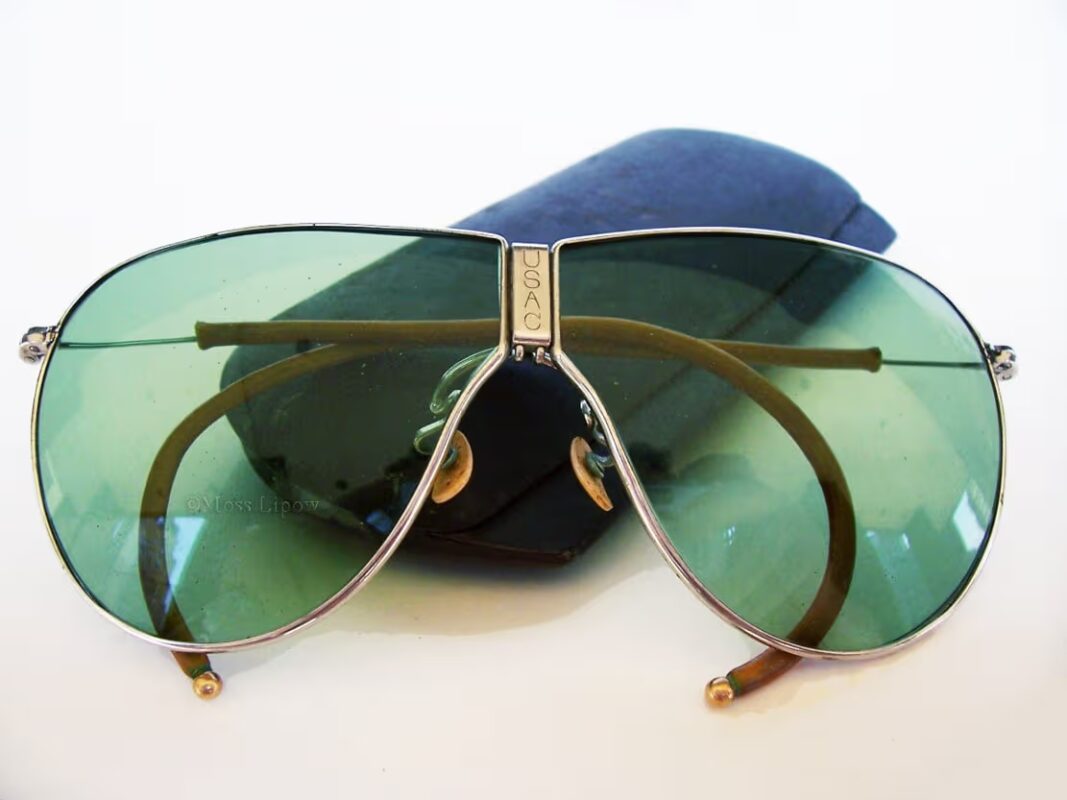
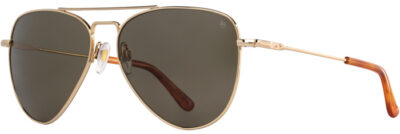
Shortly afterward, in 1935, the U.S. Army Air Corps entrusted American Optical with the design and production of a pair of sunglasses specifically created for aviators. The classic aviator shape was born with the D-1 model and its iconic USAC marking. American Optical supplied more than 5 million pairs of the G-2 sunglasses—the successor to the D-1—during World War II.
Photo : US Army Corps D1
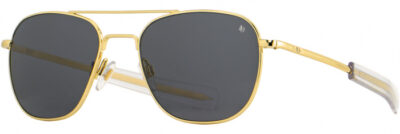
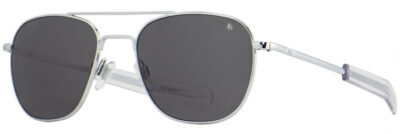
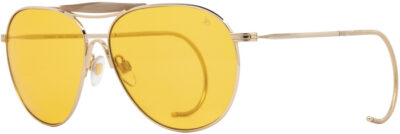
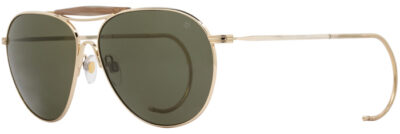
The aviator style evolved in 1958 with the Original Pilot, notably featuring straight “bayonet” temples designed to allow pilots to put on and remove their glasses without taking off their helmet.
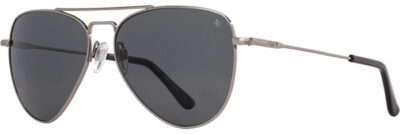
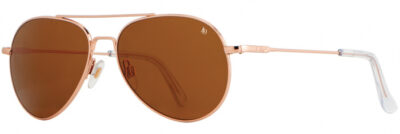
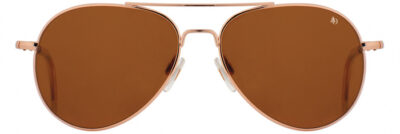
Even today, the aviator style of American Optical models (Original Pilot, Hazemaster, etc.) continues to appeal to many pilots—and non-pilots alike—thanks to their comfort and technical performance.
Aviator sunglasses: a timeless, enduring classic.
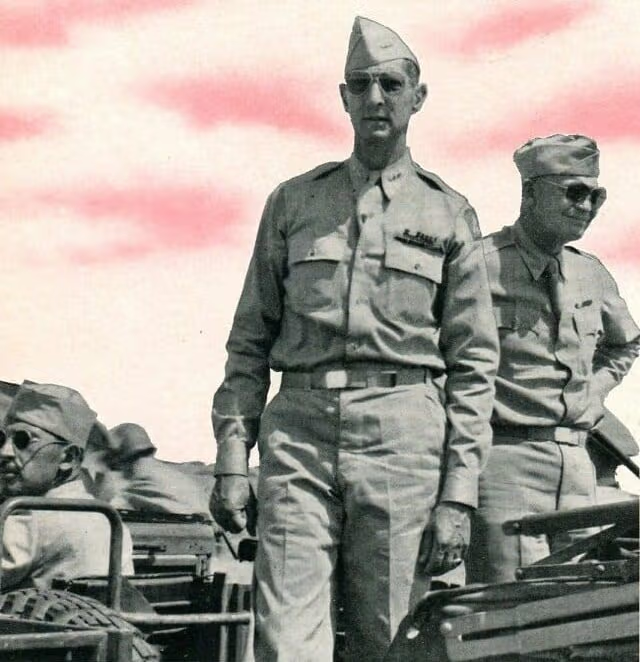
Photo : General Mark W. Clark portant les G2 – 1944